How to Appeal a Prior Authorization Denial
A prior authorization denial is not final. Learn the exact steps to appeal a prior auth denial, including what documentation wins and when to escalate.
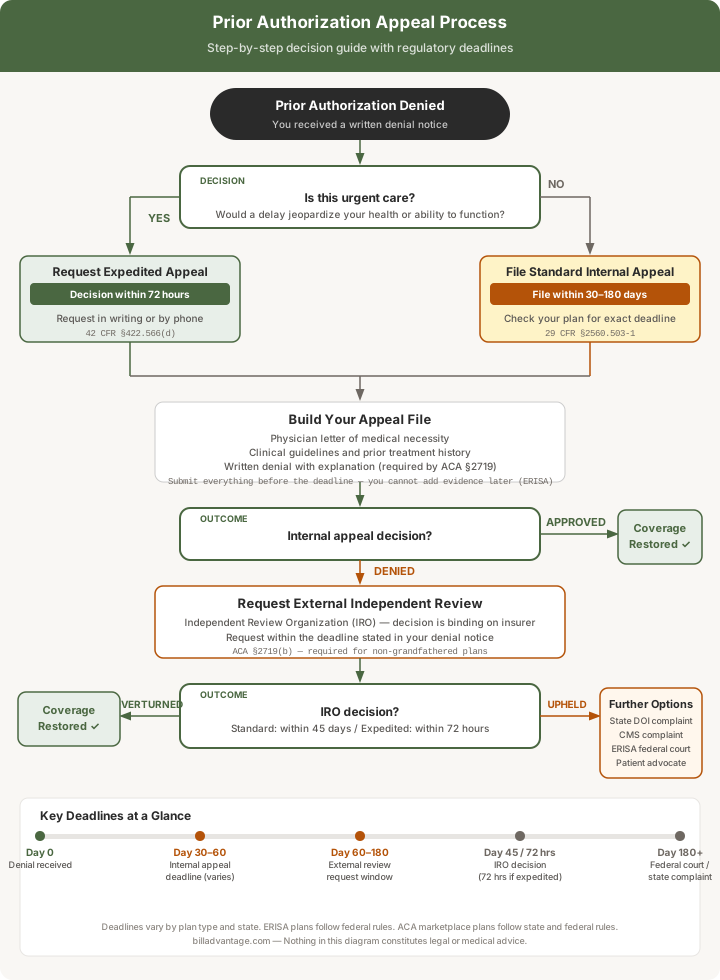
A prior authorization (PA) denial from your health insurance plan can delay or block needed medical care. Many people accept the denial without challenging it, yet a well-prepared appeal succeeds often enough that skipping the process usually means leaving coverage on the table. You have strong federal and state rights to appeal, and following the right steps can often reverse the decision.
This guide explains the full process for appealing a prior authorization denial, including timelines, required documentation, and what to expect at each stage.
Step 1: Review the denial notice carefully
Read the denial letter in full as soon as you receive it. Note the exact reason for denial (such as "not medically necessary," "experimental," "lack of prior authorization," or "does not meet clinical criteria"). The letter must explain the reason and cite the specific plan provision or guideline used.
It also lists the appeal deadline and instructions. Most plans give you at least 180 days from the denial date to file an internal appeal, though urgent care cases have shorter timelines. Mark all deadlines immediately. If any required information is missing, contact the insurer to request it at no cost.
Step 2: Gather supporting documentation
Strong appeals include:
- A detailed letter from your treating physician explaining why the service is medically necessary for your specific condition
- Your full medical records, test results, and treatment history
- Relevant clinical guidelines or peer-reviewed studies supporting the requested treatment
- Any previous approvals for similar services
- The complete claim file from the insurer (you have the right to request this under federal law)
Ask your doctor for a peer-to-peer review if offered. This allows your physician to speak directly with the insurer's medical reviewer.
Step 3: Submit the internal appeal
File the appeal in writing following the insurer's instructions. Include:
- Your name, policy number, and claim details
- A clear statement that you are appealing the prior authorization denial
- The medical necessity explanation from your doctor
- All supporting documents
Send via certified mail or the insurer's preferred portal and keep copies of everything. For urgent cases, request an expedited appeal (often decided within 72 hours). Standard pre-service appeals are typically decided within 30 days.
Many appeals succeed at this internal level because additional documentation addresses the original concerns. Success rates vary widely by plan and denial reason, but a well-documented appeal that directly answers the insurer's stated criteria consistently outperforms a general request for reconsideration.
Step 4: If denied again, pursue further levels
If the internal appeal is denied, the letter will explain next options, such as a second-level internal appeal or external independent review. External reviews are available for many plans under the Affordable Care Act and are handled by an independent third party.
Continue to document every communication. Some states or plans offer additional appeal rights or consumer assistance programs.
Step 5: Monitor and follow up
Track all deadlines and responses. If the insurer misses its response timeline, follow up in writing. While appealing, ask about temporary options such as manufacturer assistance programs, payment plans, or alternative treatments.
Ready to take action?
Prior Authorization Appeal Generator can help you analyze your situation and generate ready-to-send letters in minutes.
Bill Advantage is a document literacy tool. Nothing in this article constitutes legal or medical advice.
Guides and tools on Bill Advantage
Explore tools, glossary entries, and denial code pages that match this topic.
More Insurance Appeals guides
Aetna publishes the clinical criteria it uses to approve or deny claims. Here is how to find the relevant bulletin and use it in your appeal.
Read articleAnthem Blue Cross Denials: Why Your State Matters More Than You ThinkAnthem operates as independent Blue Cross Blue Shield plans by state. Your denial rights and appeal process depend on which state plan you have.
Read articleCO-15 Prior Authorization Denial: What to Do When Your Provider Did Not Get ApprovalCO-15 means prior authorization was missing or invalid. You may not owe this bill. Here is how to determine responsibility and appeal.
Read article