How to Navigate a Medicaid Fair Hearing
Denied by your Medicaid plan? You have the right to a state fair hearing and the right to keep your services while you wait. Here is exactly how the process works.
Medicaid covers over 90 million Americans. When a Medicaid plan denies a service, many members assume the decision is final. It is not. Federal law gives every Medicaid member the right to appeal and, in many cases, the right to keep receiving services while that appeal is pending.
The most important right you may not know about
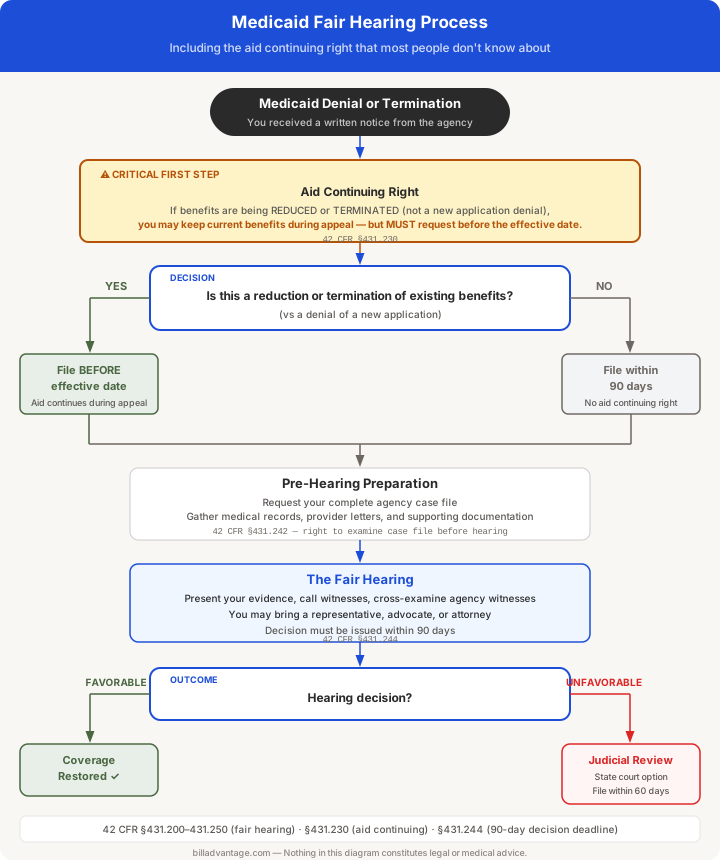
One of the strongest protections in Medicaid is often called aid continuing. If you request an internal appeal or a state fair hearing within 10 days of the denial notice date, services should continue at current levels while your appeal is pending. This protection is rooted in due process principles from Goldberg v. Kelly and reflected in federal Medicaid regulations.
After that 10-day window closes, this protection is generally lost. In some states, if the appeal is ultimately denied, you may owe for services that continued during the appeal period. This is why timing matters so much. Aid continuing is one of the most important and least known protections in Medicaid law.
Managed care vs fee-for-service: which path applies
Your path depends on the type of Medicaid coverage you have:
- Managed care (MCO): you typically must file an internal plan appeal before requesting a fair hearing (42 CFR 438.402)
- Fee-for-service Medicaid: you usually go directly to a state fair hearing, without an internal plan appeal requirement
If you are not sure which type you have, check your insurance card or call member services.
Step 1: File your internal plan appeal (MCO members)
For managed care members, the standard deadline is 60 days from the adverse action notice.
Plan decision timelines are usually:
- 30 days for standard appeals
- 72 hours for expedited appeals when delay would seriously jeopardize health
If the plan fails to decide within the required timeframe, deemed exhaustion can apply. That means you can request a fair hearing right away instead of waiting longer for the plan.
Step 2: Request a state fair hearing
A fair hearing is available after the internal appeal is exhausted, or deemed exhausted.
Key points:
- State deadlines commonly range from 30 to 120 days from the Final Adverse Determination letter
- Requesting within 10 days of the FAD can preserve aid continuing during the hearing period
- You have the right to review your case file
- You can bring a representative, such as an advocate, attorney, or trusted person
- Many legal aid organizations help Medicaid members at no cost
What makes a fair hearing successful
The strongest fair hearing cases usually include:
- A complete review of the plan case file
- Detailed physician documentation supporting medical necessity
- A point-by-point explanation of why the plan misapplied its own clinical criteria
- Attendance at the hearing, by phone or in person
Missing the hearing often ends the appeal, so show up and stay organized.
External review: a faster option in some states
Some states offer external independent review before, or as an alternative to, a fair hearing. This process may be faster and less formal than a full hearing. Ask your state Medicaid agency whether this option is available in your state and when it can be used.
211 connects people to local social services including emergency financial assistance, utility help, food programs, healthcare navigation, and insurance enrollment support. Free, confidential, available 24 hours a day.
Text your ZIP code to 898211 for two-way text support. Available in all 50 states, DC, and Puerto Rico (99% population coverage). Operated by United Way Worldwide. Free and confidential.
Ready to take action?
Medicaid Fair Hearing Guide can help you understand your denial and plan your next appeal steps.
Bill Advantage is a document literacy tool. Nothing in this article constitutes legal or medical advice.
Guides and tools on Bill Advantage
Explore tools, glossary entries, and denial code pages that match this topic.