What Is a Denial Code and What Does Mine Mean
Denial codes on your EOB explain why a claim was denied. Learn what the most common codes mean and the exact steps to fix or appeal each one.
Seeing a denial code on your Explanation of Benefits or medical bill can be confusing and stressful. These codes are standardized messages from your insurance company explaining why part or all of a claim was denied or adjusted. Understanding your specific denial code is the first step to fixing the issue and getting the coverage you are entitled to.
This guide explains what denial codes are, how to find yours, what the most common ones mean, and exactly what to do next.
What are denial codes
Denial codes are short alphanumeric identifiers, often called CARC for Claim Adjustment Reason Codes or RARC for Remittance Advice Remark Codes, that insurers use to communicate the reason for reducing or denying payment. They appear on your Explanation of Benefits and sometimes on the provider bill. Federal rules require insurers to use these standardized codes so patients and providers can understand the decision.
You will usually see the code next to the service line on the EOB along with a brief description. If the description is unclear, the code itself gives the precise reason.
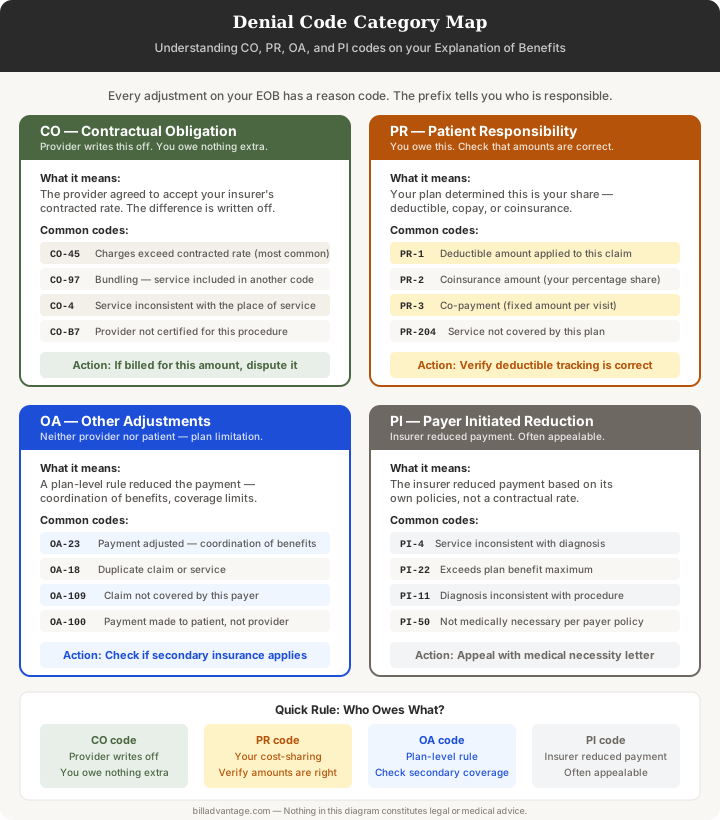
How to find your denial code
Locate your most recent Explanation of Benefits from the insurer, then look at the line for the service that was denied or adjusted. Find the column labeled Adjustment Reason, Denial Code, or Remark Code, and note the exact code, for example CO-50 or PR-1, along with any accompanying text. Keep a copy of the full EOB, since you will need it for any appeal.
Common denial codes and what they mean
CO-16: Claim lacks information needed for adjudication. Missing or incomplete data. Fix: resubmit with the correct information.
CO-50: The service is not medically necessary. The insurer decided the treatment did not meet its clinical guidelines for your condition. Fix: submit a doctor's letter of medical necessity and appeal.
PR-1: Deductible applied. You have not yet met your annual deductible, so you pay this amount.
CO-45: Contractual adjustment. The provider wrote off the difference between their billed charge and the insurer's allowed rate. This is normal for in-network care and is not your responsibility.
CO-97: Service is included in the allowance for another service performed the same day. Bundling rule applied.
PR-96: Non-covered service. Your plan does not cover this treatment.
CO-151: Payment adjusted because the payer deems the information submitted does not support the level of service. Documentation issue.
If your code is not listed here, search the exact code on the EOB or call the insurer's customer service number printed on the document. They must explain it in plain language.
What to do when you receive a denial code
Write down the exact code and description first. Gather supporting documents such as medical records, a doctor's letter, or prior approvals. File an internal appeal within the plan's deadline, usually 180 days, and include the code while explaining why it should not apply. If the appeal is denied, move to external review if it is available for your plan.
Many denials are overturned once the correct information or medical necessity documentation is provided.
Ready to take action?
Denial Letter Translator can help you analyze your situation and generate ready-to-send letters in minutes.
Bill Advantage is a document literacy tool. Nothing in this article constitutes legal or medical advice.
Guides and tools on Bill Advantage
Explore tools, glossary entries, and denial code pages that match this topic.
Glossary
More Insurance Appeals guides
Aetna publishes the clinical criteria it uses to approve or deny claims. Here is how to find the relevant bulletin and use it in your appeal.
Read articleAnthem Blue Cross Denials: Why Your State Matters More Than You ThinkAnthem operates as independent Blue Cross Blue Shield plans by state. Your denial rights and appeal process depend on which state plan you have.
Read articleCO-15 Prior Authorization Denial: What to Do When Your Provider Did Not Get ApprovalCO-15 means prior authorization was missing or invalid. You may not owe this bill. Here is how to determine responsibility and appeal.
Read article